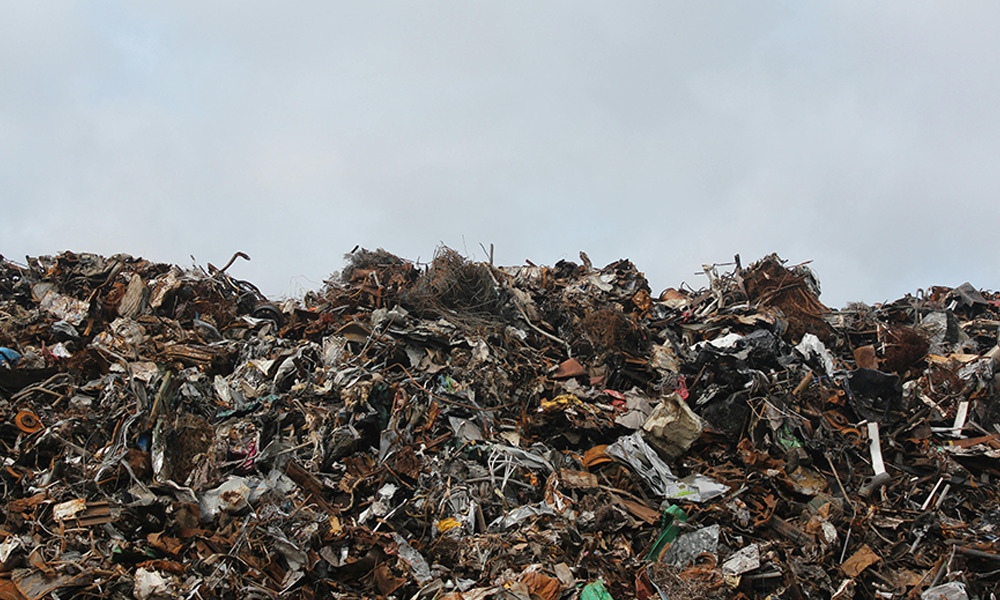
It’s no secret that Procurri prides itself on its sustainability credentials – working on an entirely Carbon Neutral certified basis and never sending e-waste to landfill as part of our ITAD protocol. But, unfortunately, our approach is far from the status quo worldwide. The Global E-Waste Monitor reported in 2024 that back in 2022, the world generated a record 62 million tonnes (62 billion kg) of electronic waste — yet only about 22.3 % was formally collected and recycled. This volume is on track to grow to 82 million tonnes by 2030 if current volumes continue.
But what does this mean if you opt for a standard third party ITAD provider that isn’t transparent in their dealings? How is the waste itself processed and what impacts does it have? Here, we lift the lid on the true cost of e-waste in landfill.
What counts as E-Waste?
E-waste, short for electronic waste, is discarded electrical and electronic equipment that is either no longer wanted or has reached the end of its usable life. This includes devices such as computers, smartphones, televisions, printers, appliances, batteries, and related components, cables, and peripherals.
Most e-waste generated by companies is computing and smartphone devices, as well as other IT hardware.
What’s the difference between E-Waste and Regular Waste?
Unlike everyday waste that’s put in a bin and then collected for later processing, e-waste contains a variety of materials in its build and components; including metals and plastics, but also hazardous substances such as lead, mercury, and flame retardants. This means that e-waste cannot be simply discarded and left to deteriorate or degrade as standard waste does, as it can cause environmental pollution and health risks through toxicity.
This means that in order to responsibly process e-waste in a manner that isn’t harmful, it should never be just dumped into landfill. Instead, a comprehensive approach to ITAD management should be taken, including processes such as reduction, reuse, repair, recycling, and safe recovery to conserve resources, prevent toxicity, and support a circular economy.
As well as the differences in the waste itself, it should be noted that landfill sites were never designed to process e-waste. Most are built for basic household waste and do not have the facilities to handle toxic electronic components. Furthermore, their liners deteriorate over time, which means that any harmful components are soaked into the ground. This means that future generations inherit the contamination of such sites today; and the monitoring of conditions as they degrade are often minimal, which means the state of the problem could be unknown for years to come.
What’s the Status Quo for E-Waste Processing?
As volumes of e-waste have increased worldwide, the awareness of responsible ITAD processing has grown into public consciousness. While some territories do stipulate legal and regulatory requirements for e-waste protocol, this is far from comprehensive globally.
The status quo remains in most of the world for businesses to outsource their e-waste to a third-party ITAD processing company. However, this does not necessarily give a transparent view of how the e-waste is processed nor what happens with it once it is removed from the business’ own site. While organizations may just consider it ‘out of sight, out of mind’, in truth, the impact improper e-waste disposal can have is likely to breach best practice and ESG standards.
What happens when E-Waste enters Landfill?
There are three main processes that happen to e-waste when it reaches landfill. In many cases, it is just dumped on top of all other kinds of waste and will later have more poured on top of it.
Physical Breakdown
Whereas lots of waste physically deteriorates and degrades to break down, this does not happen with e-waste. Some components of them may do so, but the majority do not. Metals and plastics persist intact for centuries with only minimum contact wear; so they contribute to the build-up of waste in landfill spaces.
Over time, as more waste is poured on top and the e-waste is shifted and moved, crushing and weathering may release internal components outward; some of which may be toxic.
Chemical Leaching
When e-waste comes into contact with water or is rained on, leachate is created that pulls toxic substances from it into the soil and groundwater around it. This chemical leaching can cause serious damage to the environment around it and anyone who comes into contact with it.
Most commonly in e-waste, such toxins include:
- Lead – highly toxic to humans, animals and plants, lead can damage nervous systems and impair growth and reproduction. Lead persists for decades in the environment before it breaks down
- Mercury – in soil and water, mercury converts into methylmercury. Methylmercury is highly toxic to fish and wildlife. It contaminates bodies of water and moves up the food chain; creating severe risk factors to ecosystems as a whole and human health
- Arsenic – arsenic is poisonous to plants and animals, and can disrupt ecosystems when contaminating water. While humans may not be immediately effected, exposure over time can lead to organ damage and increased cancer risk
- Cadmium – cadmium accumulates in soils and crops, reducing soil fertility and entering the food chain. It is highly toxic to animals and humans, and can lead to kidney and bone damage. Cadmium can last for years in the environment if left
- Brominated flame retardants (BFRs) – BFRs can contaminate air, water and soil. Persisting for long periods of time in the environment, they bioaccumulate in wildlife, disrupt hormones, and are linked to developmental and neurological harm.
Unmanaged, these toxins and others can cause vast damage to the environment and anyone who comes into contact with it – directly or indirectly.
Battery Risks
Another component within many e-waste devices and appliances is batteries. Lithium-ion batteries are used most commonly in electronic devices, and when is left to degrade over time can:
- Leak corrosive chemicals
- Cause landfill fires and explosions
- Release toxic gases when crushed, damaged or disrupted.
E-Waste in Landfill: The Environmental Impacts
Landfilled e-waste has significant and long-lasting impacts on ecosystems. While many landfill sites do have liners in place, these degrade over time – and some have no such protection at all!
Either way, toxic substances from e-waste components can leak (leach) into surrounding soil, water and air. This can cause:
- Reduced plant growth due to disrupting root development
- Reduced plant growth due to contaminated nutrient uptake
- Damage to soil microorganisms
- Migrating pollutants to groundwater, that can, in time, pollute drinking water systems
- Increased risk of chronic illness to those exposed to the polluted environment (directly or indirectly)
- Imbalance in ecosystems
- Bioaccumulation of heavy metals in animals
- Air pollution negatively affecting the local environment
- Spread in contaminants through air pollution.
E-Waste in Landfill: Human Health Concerns
The environmental damage caused by e-waste in landfills directly affects people, particularly communities living nearby, and indirectly impacts them as they inhale contaminated dust or fumes from air pollution, drink or bathe in contaminated water and eat contaminated animal products.
Over time, this low-level exposure to contaminants can have devastating health impacts, including:
- Neurological damage
- Respiratory problems
- Kidney and liver disease
- Increased risk of cancer
- Developmental delays in children.
Such impacts are usually gradual, cumulative, and difficult to detect until significant harm has occurred: which means that unless well monitored, landfill sites can negatively affect local communities for generations unchecked.
E-Waste in Landfill: What Should Happen
Reducing the harmful impacts of e-waste in landfills requires effective and sustainable solutions such as Procurri’s ITAD policies. Rather than simply direct all e-waste to landfill, we first investigate to identify if hardware is suitable for:
- Recycling – either whole or at component level – where hardware is end-of-life and has no resale value, it is dismantled and the materials are sorted, aggregated, and routed to specialized downstream recycling partners
- Refurbishment – repairing, upgrading, and restoring discarded electronics so they can be reused
- Remarketing and resale – wiping data, upgrading or updating hardware, and then marketing it through Procurri’s hardware channels to resell.
We offer secure data erasure, certified data destruction, and environmentally friendly disposal methods to ensure your sensitive information remains protected throughout the asset lifecycle. Our experienced team will guide you through the entire ITAD process, from asset tracking and collection to the generation of value through resale (if possible and appropriate).
These processes allow us to manage ITAD in as sustainable a manner as possible: ensuring there’s no onward negative impact to the environment or local communities.
Working with a certified Carbon Neutral business is rare in ITAD, but not impossible – and Procurri proves just that! Make contact with our team today to discuss your requirements and take a more sustainable and ethical approach to e-waste right away.